
Treatments
About us
Preventing, halting, and reversing gum disease
Maintaining a healthy smile isn’t just about the teeth; it’s also about the gum tissues!
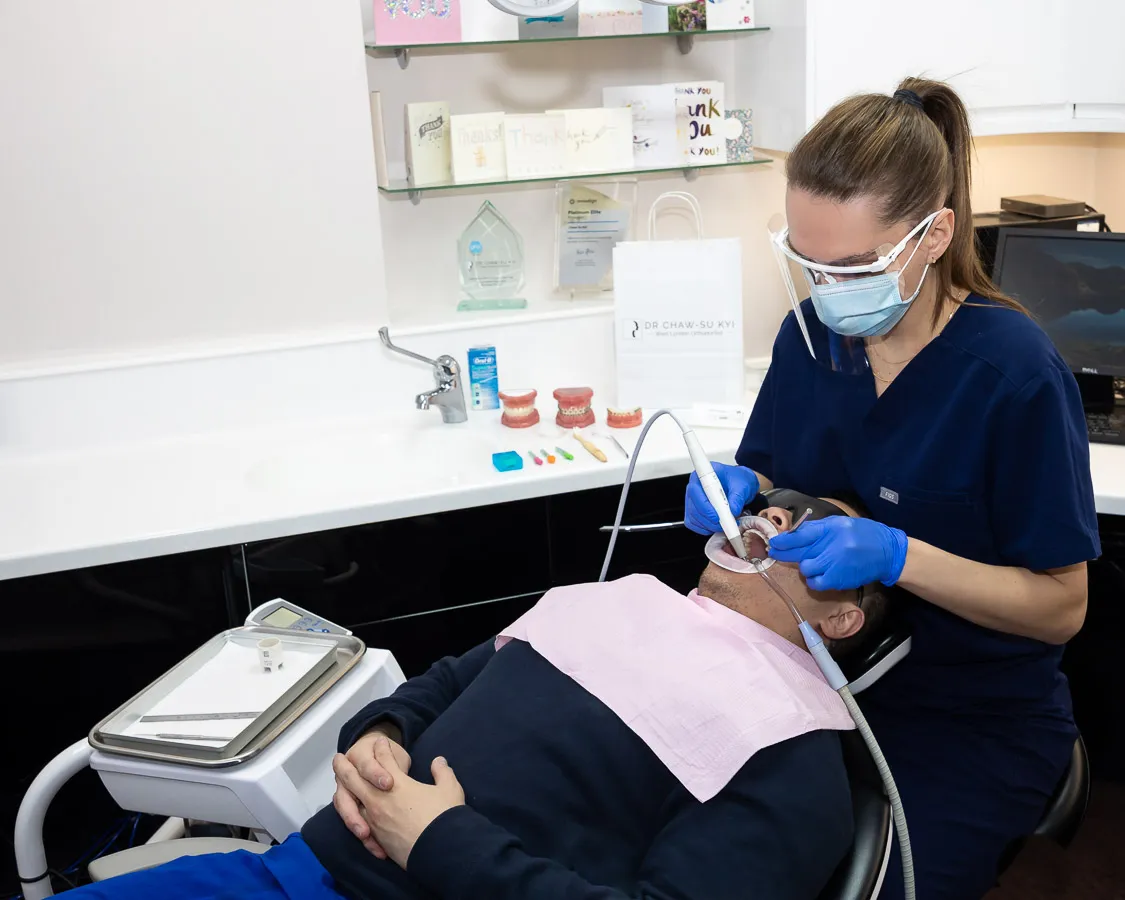
At West London Orthodontist, we ensure your gums receive the care they need. Regular oral checks by our expert team help identify early signs of gum disorders. Patients must address gum diseases simultaneously, as they can progress if overlooked.
The detail,
made simple
What is gum disease, and what can it do to the smile?
Early detection and treatment can halt and reverse gum disease, sometimes referred to as periodontal disease. This condition is an infection that starts in the gum tissues and can spread over time. Without gum disease treatment or “periodontal therapy,” neglecting this condition often leads to advanced periodontitis, a severe condition causing irreversible bone loss and requiring extensive restorative measures. Fortunately, you can avoid such complications by maintaining regular check-ups designed to meet your specific needs.
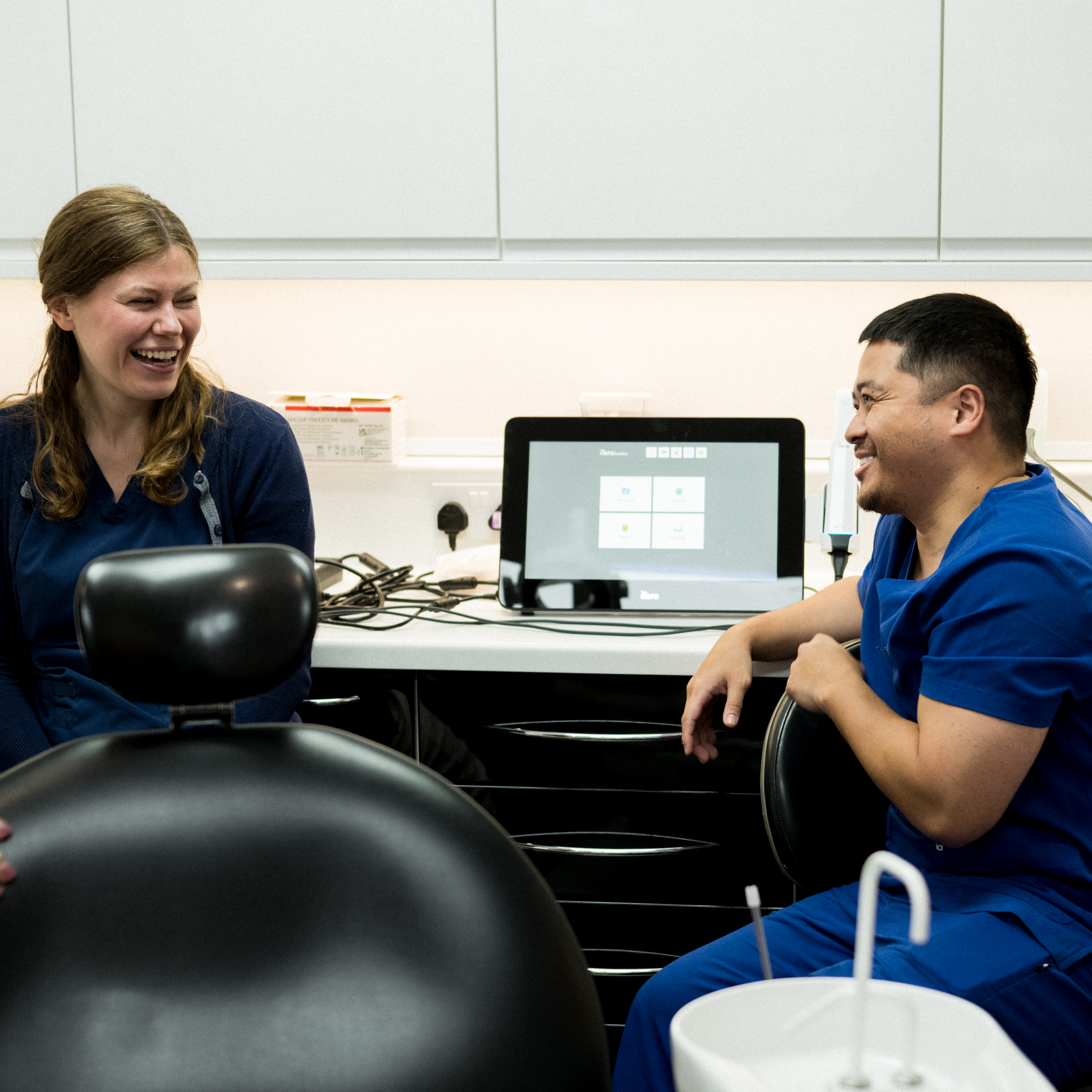
Where can I obtain custom-tailored periodontal therapy?
The key to halting early-stage gingivitis is recognising the symptoms and adopting an intensive oral care routine. We help to diagnose even the smallest changes indicating early inflammation, which you might overlook considering your mouth “feels just fine.”
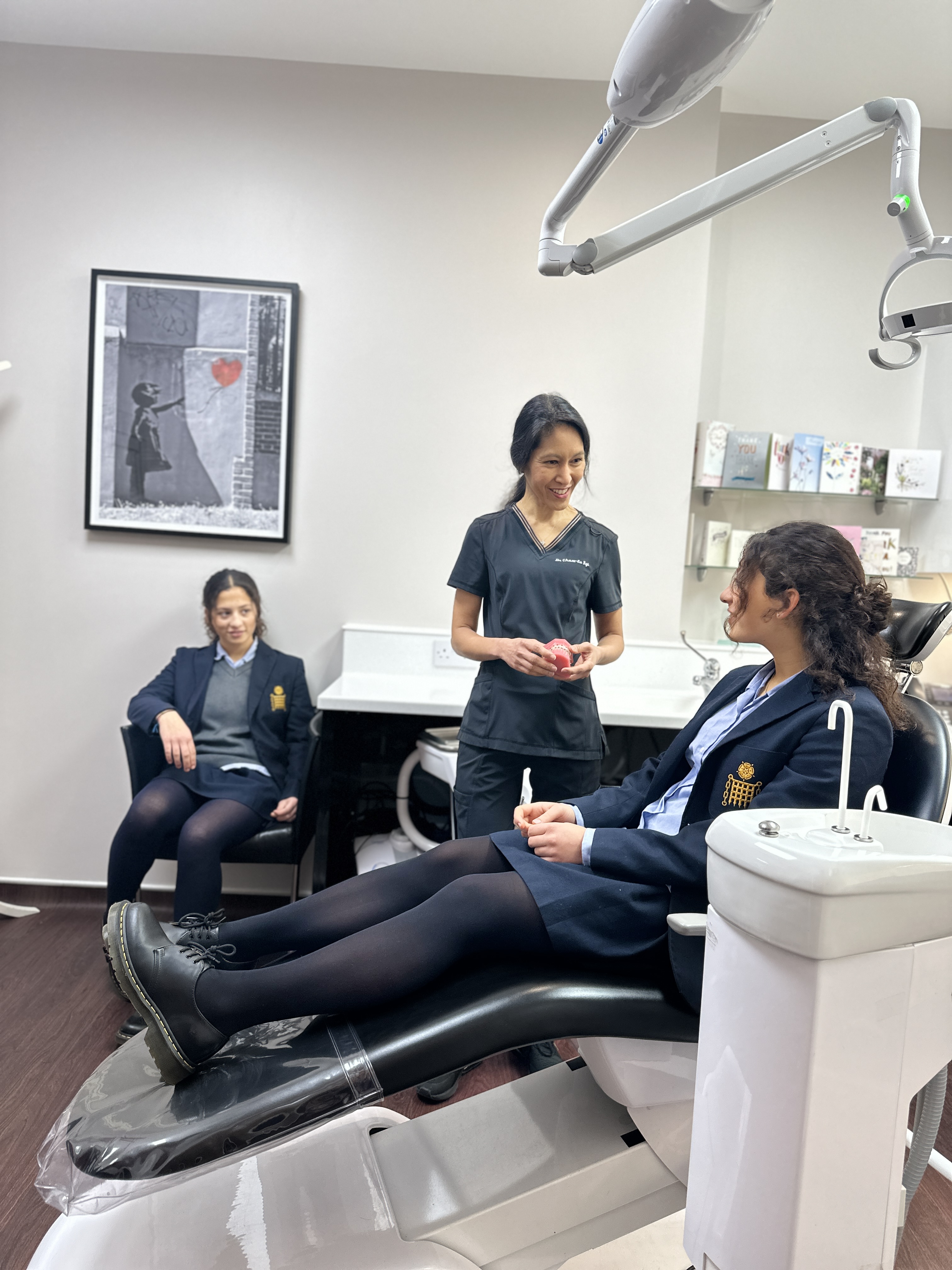
Can gum disease impact more than just my smile?
The impact of gum diseases is not confined to oral health. Studies suggest that continual inflammation from periodontal disease has links to issues with diabetes management, increased risk of heart and respiratory diseases, osteoporosis, and even some cancers. By opting for timely care at our dental studios, you support not only your oral health but also your overall health and well-being.

What gum disease treatments are available to me?
Professional cleanings
While home care can help remove sticky plaque, hardened bacterial film requires specialised tools and expertise.
Correction of restorations
Correction of unfitting or worn-out dental restorations: damaged or old restorations can foster bacteria, leading to reinfections.
Scaling and root planing
Scaling to eliminate bacteria from the teeth and gum tissue, and root planing to prevent bacterial build-up at the roots of the teeth.

Which treatment is right for me?
We aim to restore periodontal health in the least invasive manner possible. Conservative treatments require less healing time, fewer side effects, and lower complication risks. When non-surgical interventions are insufficient, we might recommend advanced surgical options like pocket reduction or laser-assisted surgeries.
Where can I get gum disease treated in West London?
Gum disease takes many forms, and treatment is always tailored to what we find. Dr Sepideh Heydarian will assess the health of your gums, explain exactly what is happening, and talk you through the options before anything begins. Book online, or call us on 020 8222 8760 to arrange an assessment at our Hammersmith studio.
Questions
for us?
What are the early signs of gum disease that might necessitate periodontal therapy?+
Gum disease can develop quietly, but early symptoms include red, swollen gums that bleed during brushing or flossing, persistent bad breath, and gum recession. These signs indicate that plaque and tartar have accumulated beneath the gumline, causing inflammation. Recognising and treating these symptoms promptly can help prevent the development of more serious gum diseases, like periodontitis, which, if not addressed, may result in tooth loss.
How do scaling and root planing differ from regular dental cleaning?+
Regular dental cleanings focus on removing plaque and tartar from the surfaces of teeth above the gumline. In contrast, scaling and root planing, often called deep cleaning, targets the root surfaces below the gumline. This two-step process involves removing harmful deposits and smoothing rough areas on the tooth root, creating a healthier environment for the gums to reattach and heal. It’s a vital step for treating gum disease and preventing further infection.
Can periodontal therapy reverse gum disease, or does it only halt its progression?+
Gum disease, in its earliest stage, gingivitis, can often be reversed through periodontal therapy and improved oral hygiene practices. Once it progresses to periodontitis, therapy focuses on halting the disease’s advancement and managing its effects. Advanced periodontal disease may lead to permanent damage to the gums and supporting bone, but prompt treatment can mitigate further harm and stabilize oral health.
Are there non-surgical options available for treating gum disease?+
Yes, non-surgical treatments are commonly used to address gum disease. These include scaling and root planing, which removes plaque and bacteria below the gumline, and antibiotic therapy to combat infection. Dentists may also recommend improved oral hygiene practices and lifestyle changes, such as quitting smoking, which can exacerbate gum disease. Non-surgical treatments are typically effective for mild to moderate cases, but severe periodontitis may require surgical intervention.
How does periodontal health impact overall systemic health?+
Gum disease has been linked to systemic health issues, including cardiovascular disease, diabetes, and respiratory conditions. Inflammation caused by periodontal disease can spread to other body parts, potentially contributing to these health problems. Maintaining good periodontal health can reduce systemic inflammation, potentially lowering the risk of developing associated health conditions and improving overall well-being.
What role does genetics play in the development of gum disease?+
Genetics can influence your susceptibility to gum disease, even if you maintain good oral hygiene. Individuals with a family history of periodontal problems may have an increased risk of developing gum disease. If you have a genetic predisposition, you must schedule regular dental check-ups and cleanings to monitor your gum health and catch issues early before they progress.
Is periodontal therapy a one-time treatment, or does it require ongoing maintenance?+
Periodontal therapy is rarely a one-and-done procedure. After initial treatment, ongoing maintenance is crucial to prevent reinfection and manage gum health. This typically includes supportive periodontal therapy (SPT), which involves periodic deep cleanings and regular evaluations to monitor the gums. Consistent maintenance can help ensure long-term stability and prevent the recurrence of gum disease.

The Studio
89 Hammersmith Grove,
London W6 0NQ
5 mins from The Godolphin & Latymer School
8 mins from Hammersmith station
Free off-street parking