Treatments
About us
Orthodontic relapse,
put right again
If teeth have shifted since your braces came off, you’re not starting from scratch. Dr Chaw-Su Kyi uses Invisalign and other technologies to treat relapse in Hammersmith.
assessment Book a consultation
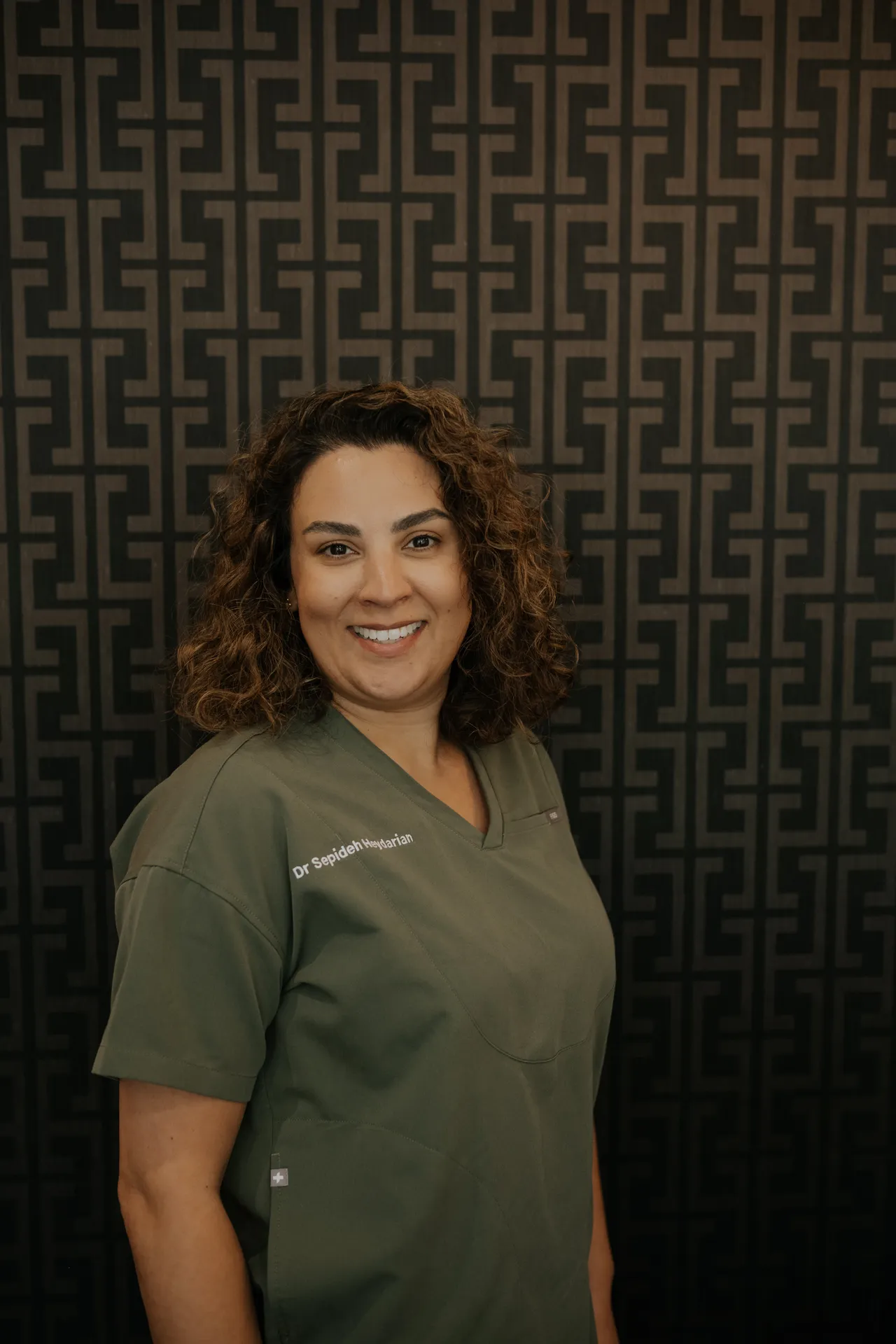
Orthodontic relapse is a common problem for people who have worn braces. It can take several years for newly moved teeth to settle into their new positions. Once the braces come off, teeth can begin to shift again as the re-worked bone has not yet thickened enough to hold them in place. Dr Chaw Su Kyi, a renowned orthodontist, uses Invisalign® aligners and other technologies to treat orthodontic relapse in Hammersmith, West London.
What can cause orthodontic relapse?
Incomplete Orthodontic Treatment
Patients may stop their treatments because they have moved, are unable to support the costs, or find the treatment uncomfortable.
Miscalculation of Malocclusion
For orthodontic procedures to be effective, all possible factors that may have caused the overbite must be eliminated beforehand, otherwise there could be an offsetting effect on alignment.
Lack of Monitoring
Changes in teeth or gums may directly affect the results of treatment, and it is crucial that every follow-up appointment is attended to avoid relapse.
Lack of Patient Compliance
Missing appointments, eating prohibited foods and poor oral hygiene all translate into a lack of compliance - treatment by the orthodontist is only half of the result.
Not Enough Time for Teeth to Set
Orthodontic treatments cannot be rushed - the full course of treatment as recommended by the orthodontist needs to be followed to achieve the desired outcome.
Continuing Bad Habits
Teeth grinding, thumb sucking, eating sticky or hard food, smoking, biting your fingernails and missing dental checkups can all have negative effects on treatment.
Treatment of Orthodontic Relapse
The only way to treat orthodontic relapse is with teeth straightening treatments. The good news is that this does not necessarily mean you have to wear braces again. Invisalign for tooth relapse is a treatment whereby a series of clear aligners that fit over your teeth gradually move them into their desired positions. The treatment is discreet, tailor-made and offers an ideal solution for regaining your straight smile.
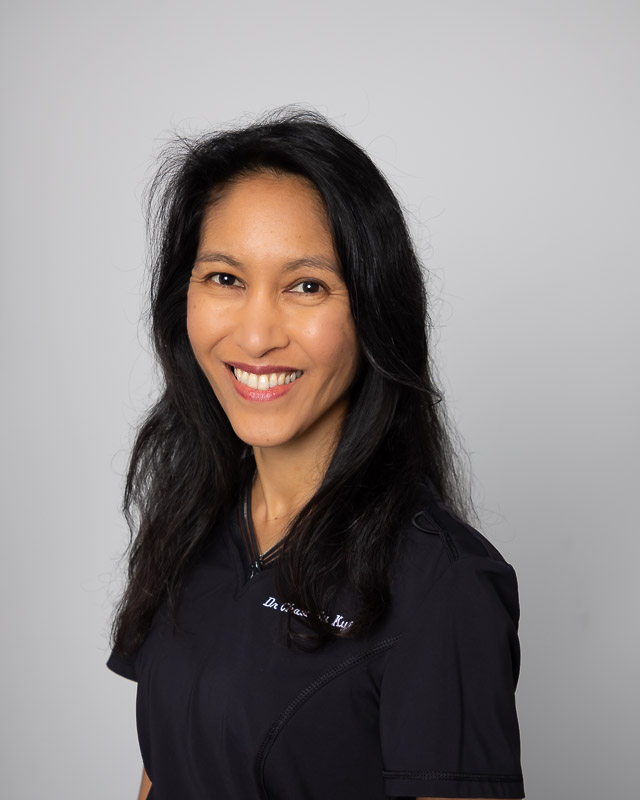
Why Choose
Dr. Kyi?
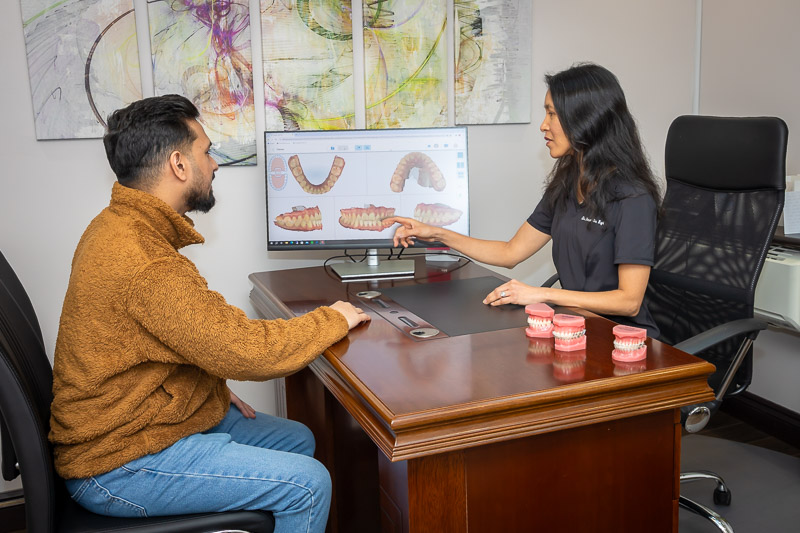
Dr Kyi is a leading orthodontist who was awarded the 2025 Specialist Orthodontist of the Year in London. Recognised for her innovation and expertise in the field, you can book a consultation to discuss solutions for your orthodontic relapse at her Hammersmith, West London practice.
Questions
for us?
Can orthodontic relapse be corrected?+
Yes, orthodontic relapse can be corrected, with options depending on severity. Mild cases may be corrected with retainers, while moderate shifts can be treated with clear aligners like Invisalign. Braces are needed for more significant relapses. Consulting an orthodontist will determine the best approach based on individual needs.
What are common reasons for orthodontic relapse?+
Orthodontic relapse commonly occurs due to inconsistent retainer wear after treatment. Teeth naturally shift over time, and they tend to revert without retainers to stabilize their new positions. Age-related factors also contribute to shifting teeth, as bone density and jaw structure change. Other contributing factors include teeth grinding, gum disease, and jaw growth in younger patients. Each can put pressure on the teeth, pushing them out of alignment.
Can you get orthodontic treatment twice?+
Yes, it’s possible to undergo orthodontic treatment more than once. Many people seek additional treatment years after their first round due to relapse or because they didn’t complete treatment the first time. Modern options like clear aligners make re-treatment more accessible, especially for adults who may prefer a discreet option. Orthodontic specialists can evaluate previous treatments and adjust their approach to provide effective, customised care for a second round.
Can I get braces again for free in the UK?+
In the UK, orthodontic treatment through the NHS is free for patients under 18 if there’s a significant need, such as severe misalignment. Adults typically need to pay for orthodontic treatment, even if it’s a second time. Clear aligners or other treatments may be available through private orthodontists for mild to moderate relapses. Some practices offer payment plans, making re-treatment more manageable for adult patients who may not qualify for NHS coverage.
Can Invisalign fix orthodontic relapse?+
Yes, Invisalign and other clear aligners are often used to correct orthodontic relapse, especially for minor to moderate shifts in tooth position. Invisalign is discreet, making it a popular choice for adults who avoid traditional braces. Treatment time varies based on the extent of the relapse but is generally shorter than the initial treatment. Invisalign’s convenience and efficacy make it an excellent option for patients seeking re-treatment after relapse.
Are braces cheaper the second time?+
The cost of re-treatment depends on the extent of relapse and chosen treatment. Minor relapses may require less intensive treatment, potentially lowering costs. However, fees generally remain consistent due to the need for careful planning. Clear aligners may be more affordable for slight adjustments.
How fast will orthodontic relapse occur?+
Orthodontic relapse can begin within months if retainers are not worn consistently, with teeth starting to shift almost immediately after braces or aligners come off. The first six months after treatment are critical, as the teeth will most likely return to their original positions. Over time, the risk of relapse lessens, but it’s still possible, especially if retainers are not used as directed. Even years after treatment, wearing retainers regularly can help prevent slow, subtle shifts that may require re-treatment in the future.
Restore your smile
with specialist orthodontic care
The Studio
89 Hammersmith Grove,
London W6 0NQ
5 mins from The Godolphin & Latymer School
8 mins from Hammersmith station
Free off-street parking