Treatments
About us
Overbite,
corrected with care
An overbite won’t correct itself - and left alone, it tends to get worse. Dr Chaw-Su Kyi builds a tailored plan around your bite, from Invisalign to Clarity, Damon and lingual braces.
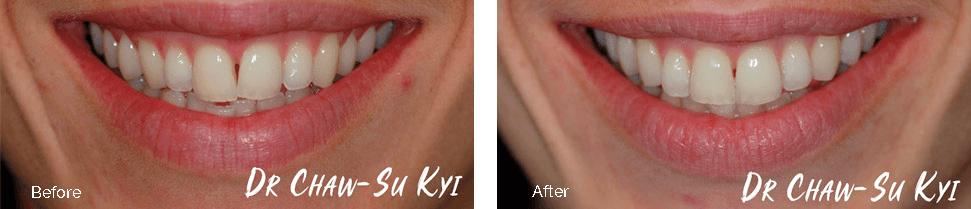
assessment Book a consultation
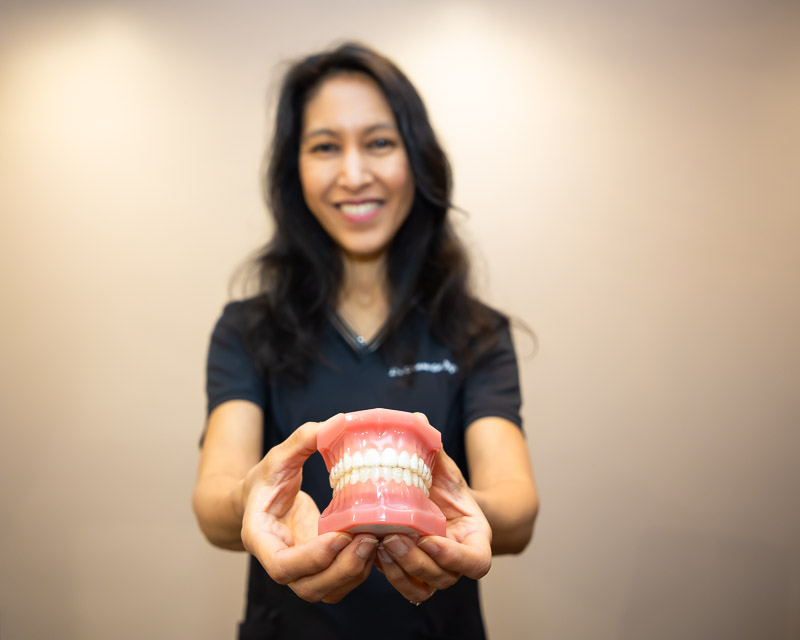
Maintaining good oral health is essential as you grow older. You only have one set of natural teeth, and you want them to last as long as possible. Orthodontists understand that need and can help you improve the health of your teeth.
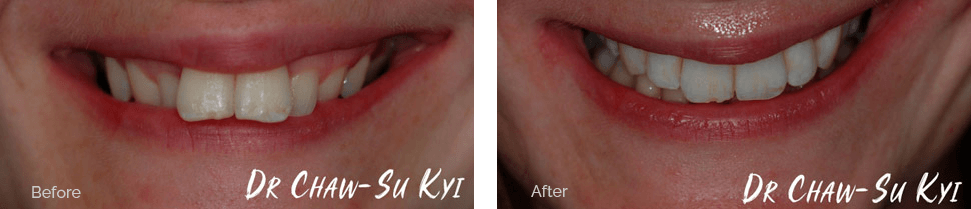
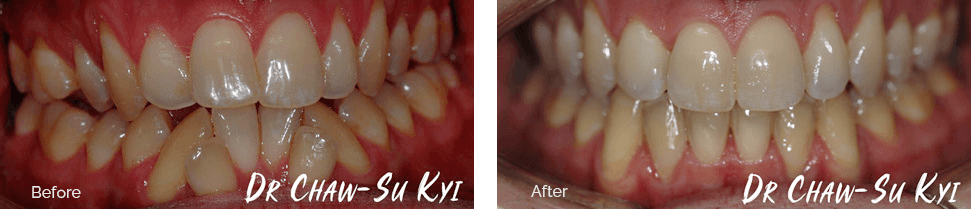
When you close your teeth together and your top front teeth extend past your front bottom teeth, this is an overbite. An overbite is a sign that you have misaligned teeth and may require professional treatment such as Invisalign.
Dr. Chaw-Su Kyi specialises in treating a variety of dental conditions, including overbites. As the 2025 Specialist Orthodontist of the Year, Dr. Kyi has extensive experience in providing overbite treatment in London.
The detail,
made simple
What is an overbite?
When you close your teeth together and your top front teeth extend past your front bottom teeth, this is an overbite. An overbite is a sign that you have misaligned teeth and may require professional treatment such as Invisalign.
Types of overbites
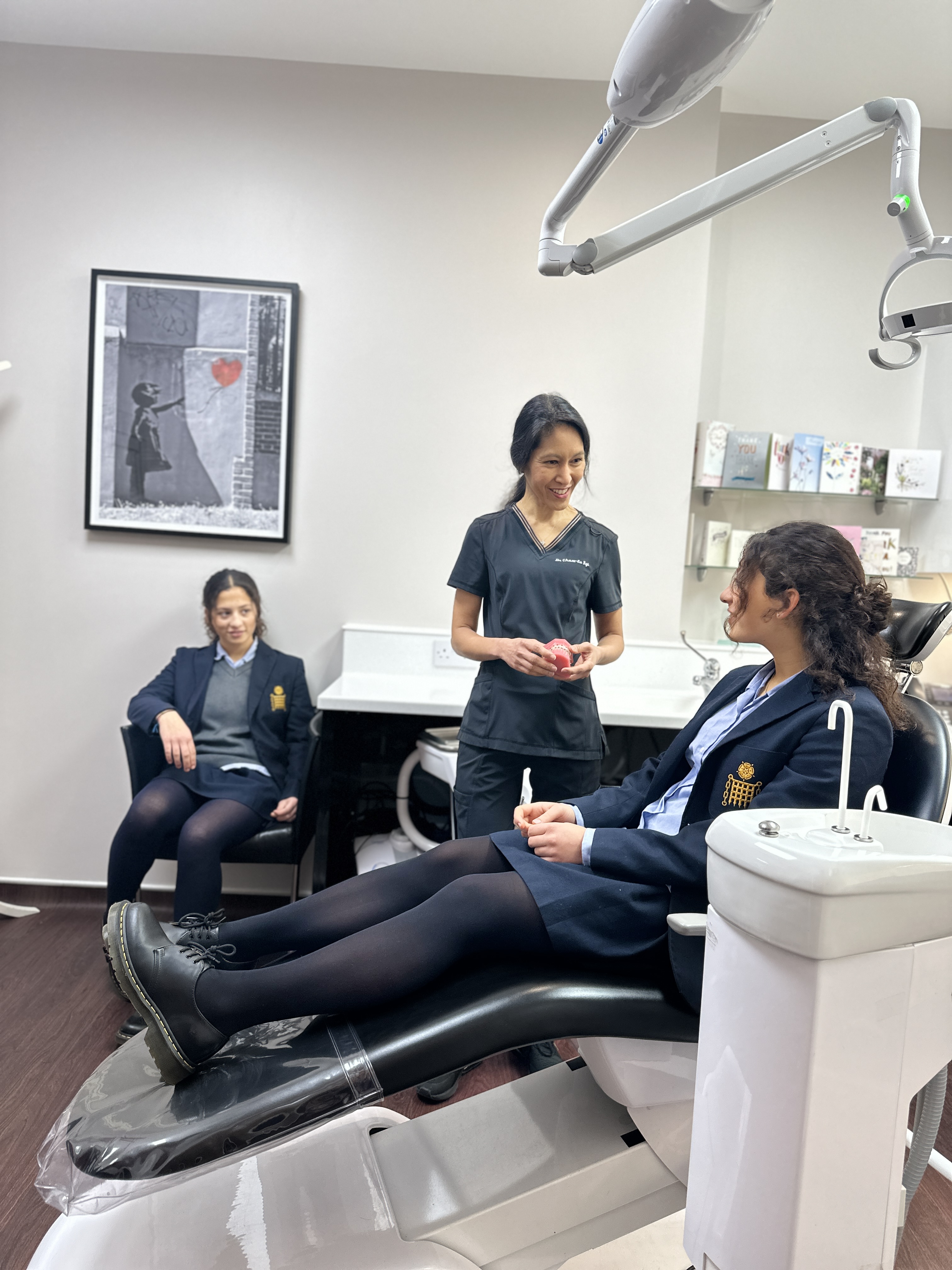
The two main types of overbites are skeletal or dental. It is also possible to have a combination of both types. With a skeletal overbite the patient’s jaw shape causes their teeth to misalign. In this case, surgical treatment is sometimes required to align the jaw with the teeth.
A dental overbite implies that the teeth are the problem. In this case, the teeth need to be straightened and aligned properly.
The following is a list of common causes of an overbite
Genetic traits
The shape of your jaw can be inherited - if a parent has an overbite, you may be more likely to develop one too.
Thumb-sucking as a toddler
Sucking your thumb as a toddler can gradually push the front teeth forward as the jaw develops.
Overusing a pacifier
Overusing a pacifier as a baby or toddler places similar pressure on developing teeth and jaw.
Nail-biting
A persistent nail-biting habit can place ongoing pressure on the front teeth over time.
Teeth-grinding
Grinding your teeth, especially at night, can wear away enamel and shift the bite out of alignment.
Overcrowded teeth
When there isn’t enough room in the jaw, teeth can be pushed forward or overlap, exaggerating an overbite.
How we correct
an overbite
Clarity braces
These attach to the outside of your teeth, but the brackets are a clear, camouflaging colour - typically not an option for a deep overbite.
Damon braces
Self-ligating brackets, smaller than traditional braces and without elastics - easier to clean, adjusted every 10–12 weeks.
Lingual braces
Attached to the back of your teeth, making them difficult for anyone to spot - otherwise similar to traditional metal braces.
Invisalign
A modern alternative to traditional braces, using clear aligners to shift teeth into place - simply remove them to eat and clean your teeth.
Why Choose
Dr. Kyi?
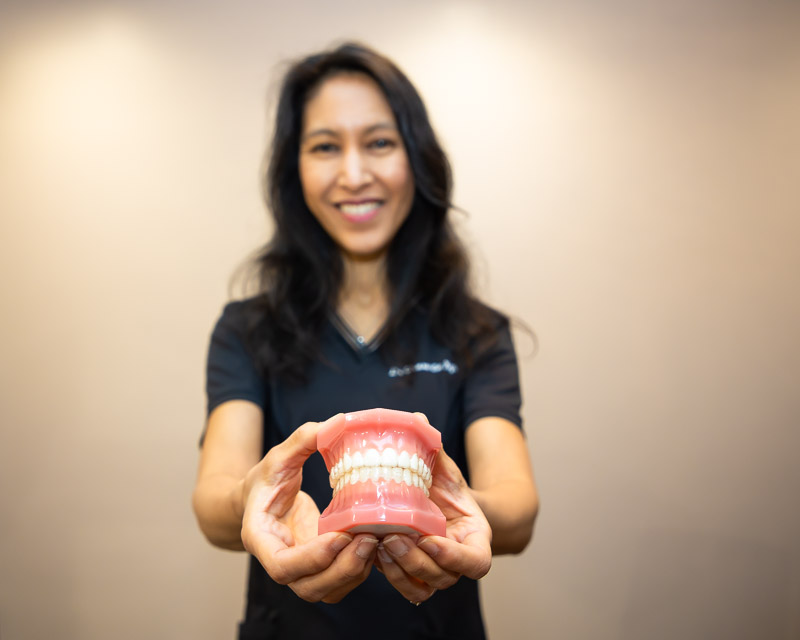
Dr. Kyi works out of her Hammersmith Grove orthodontist office to provide exceptional services to her patients. Dr. Kyi can create an accurate ClinCheck treatment plan to show patients how each tooth will track and eventually form the final result. She is a dedicated professional as evidenced by her excellent patient testimonials.
Questions
for us?
How can an overbite be fixed in the UK?+
Orthodontic treatments such as braces or clear aligners typically correct overbites. Braces are the most common solution, gradually moving the teeth to reduce the overbite. Clear aligners like Invisalign are a popular alternative, especially for those who prefer a more discreet treatment option. For severe cases, treatment may also involve jaw surgery (orthognathic surgery) to adjust the jaw position, often followed by braces to ensure alignment. An orthodontist will evaluate the case and recommend the most effective treatment plan based on individual needs.
Will NHS cover the cost of fixing an overbite?+
The NHS covers orthodontic treatment, including braces, for children under 18 with significant orthodontic needs, including severe overbites. The NHS provides this service at no cost, making it accessible to eligible younger patients. However, the NHS generally does not cover orthodontic treatment for adults unless there is a serious medical need. Most adults must seek private orthodontic care to correct an overbite, as NHS funding does not cover it.
Can a 100% overbite be fixed?+
A 100% overbite, where the upper front teeth completely overlap the lower teeth, can often be fixed with braces and sometimes surgery. Severe cases may require jaw repositioning surgery followed by braces for alignment. Many patients see significant improvements in function and appearance with treatment, though the process can be lengthy.
Do overbites get worse with age?+
Yes, overbites can worsen with age. Without intervention, an overbite can lead to uneven teeth wear, further exacerbating the condition. Natural age-related factors, such as bone density changes, can also increase misalignment. Also, teeth grinding habits can place extra pressure on teeth, worsening an overbite over time. Addressing an overbite early on can prevent further complications and more extensive treatment.
Does fixing an overbite change face shape?+
Fixing an overbite can alter face shape, particularly around the jawline and mouth area. A pronounced overbite can create a recessed appearance in the lower jaw and make the upper lip more prominent. Correcting an overbite aligns the teeth and, in some cases, the jaw, enhancing facial symmetry and balance. Patients often find that correcting an overbite leads to a more balanced profile, and some report feeling more confident in their appearance.
Correct your overbite
with advanced orthodontics
The Studio
89 Hammersmith Grove,
London W6 0NQ
5 mins from The Godolphin & Latymer School
8 mins from Hammersmith station
Free off-street parking